(513) 721-5987
 info@unitedwindowcleaningcompany.com
 Schedule an Appointment


 Schedule an Appointment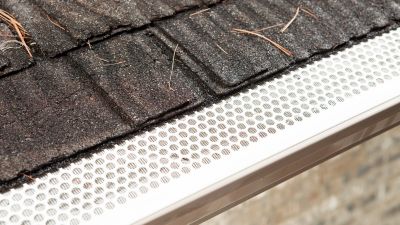
Gutter guards help prevent leaves and larger debris from collecting inside gutters. While guards can reduce cleaning frequency, they do not eliminate maintenance. Fine debris, roof grit, pollen, and silt can still accumulate in gutters over time. Knowing what to expect once gutter guards are in place can help you decide whether this optional feature is right for your home.
Key Takeaways
- Gutter guards reduce but do not eliminate the need for gutter maintenance on your home.
- If your gutters need cleaning more than once per year, having gutter guards can help make gutter maintenance more manageable.
- How effective your gutter guards are depends on what kind of gutter guards you’ve installed.
Common Types of Gutter Guards
If you’re thinking about getting gutter guards installed in your home, you’ll need to choose the right type of guards for your situation.
- Mesh: This type is affordable and effective against larger leaves, but smaller debris may pass through.
- Micro-mesh: If you’re worried about small pieces getting into your gutters, these guards will block finer debris.
- Reverse-curve covers: These helmet-like covers shed leaves easily, but may struggle to capture water during heavy rainfall.
- Brush guards: Brush guards are one of the easiest gutter guards to install, but can trap fine debris between the bristles.
- Foam inserts: This product is inexpensive to purchase but can retain moisture, collect silt, and deteriorate relatively quickly.
Gutter Guards Still Need Cleaning
Even with gutter guards protecting your gutters, leaves, moss, pollen, and other material can still collect on your gutters. Clogged guards may prevent rainwater from entering the gutter properly, which can lead to water overflow, soil saturation, and other problems. Periodic inspection and cleaning remains necessary, even with a guard system installed.
What About Downspouts?
Gutter guards primarily protect the open gutter channel. Although gutter guards can help slow the rate of clogging in your downspouts, clogs can still occur. A blocked spout can cause water to back up and overflow even when the gutter guard looks clean.
When Guards Can Provide More Value
Here are some of the cases when gutter guards offer good value:
- The home is surrounded by mature trees that experience frequent leaf buildup.
- The home has a tall or difficult-to-access roof where routine cleaning is more complicated.
- The property is beneath trees that regularly drop needles, seeds, or other small debris.
- Reducing the frequency of gutter cleaning provides a practical benefit.
Maintenance vs. Installation Cost
To decide whether gutter guards make sense for your home, consider how long your gutters are likely to last, how much you spend cleaning your gutters every year, and the cost of gutter guards. Professionally fitted mesh costs roughly 7–15 per yard, while premium micro-mesh systems may cost around 18–38 per yard.
Frequently Asked Questions
Which type of gutter guard is best?
The best gutter guard for your home depends on your budget, the condition of your gutters, how many times you clean your gutters annually, and other factors. While premium micro-mesh systems work best, they also cost substantially more than other mesh systems.
How long do gutter guards last?
Gutter guards can last anywhere from 1 year (foam inserts) to 20 years (reverse curve covers). Buying a more durable and expensive product can help your gutter guards last longer, if you have the funds to make this kind of investment.
Contact Us for Gutter Cleaning
Gutter guards reduce debris but do not create a maintenance-free gutter system. Comparing ongoing cleaning needs with installation and maintenance costs can help determine whether guards make sense for a particular property.
Do you need gutter cleaning? We can help. Contact the professionals at United Window Cleaning in Cincinnati, Ohio.